Illnesses, Symptoms, And Preventative Action
If you have ever wanted to have a better understanding of what illnesses can affect your cats and how, you can find out here. We also offer advise on the best ways to prevent your cats from getting these illnesses.
Preventative Actions And Consequences Of Illness
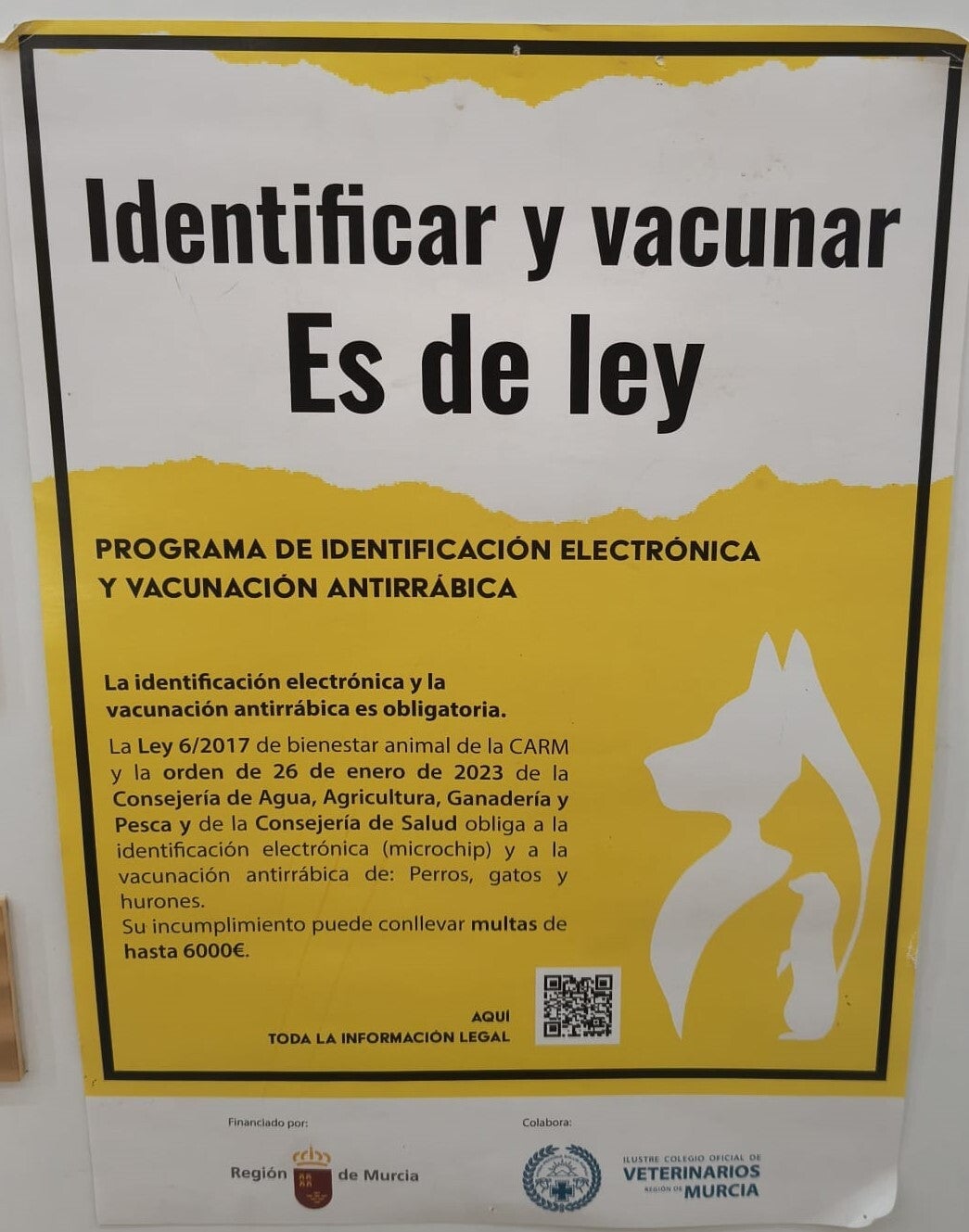
There are many diseases that our pets can contract but many of them are easily prevented by simply vaccinating pets. We will cover some of the most common and easily contracted diseases. Some of these diseases, once contracted, can kill cats in days. Others can never be cured, only managed with medicine. But all are preventable or at a lower risk of contracting the disease if they are vaccinated.
It is now law to vaccinate all pets. These laws are in place solely for the health of the animals. Below is a list of diseases that can be and usually is vaccinated against and a guide of what to look out for in your pets health.
When cats contract any of these diseases they suffer terribly. But it isn't only the cat that has the
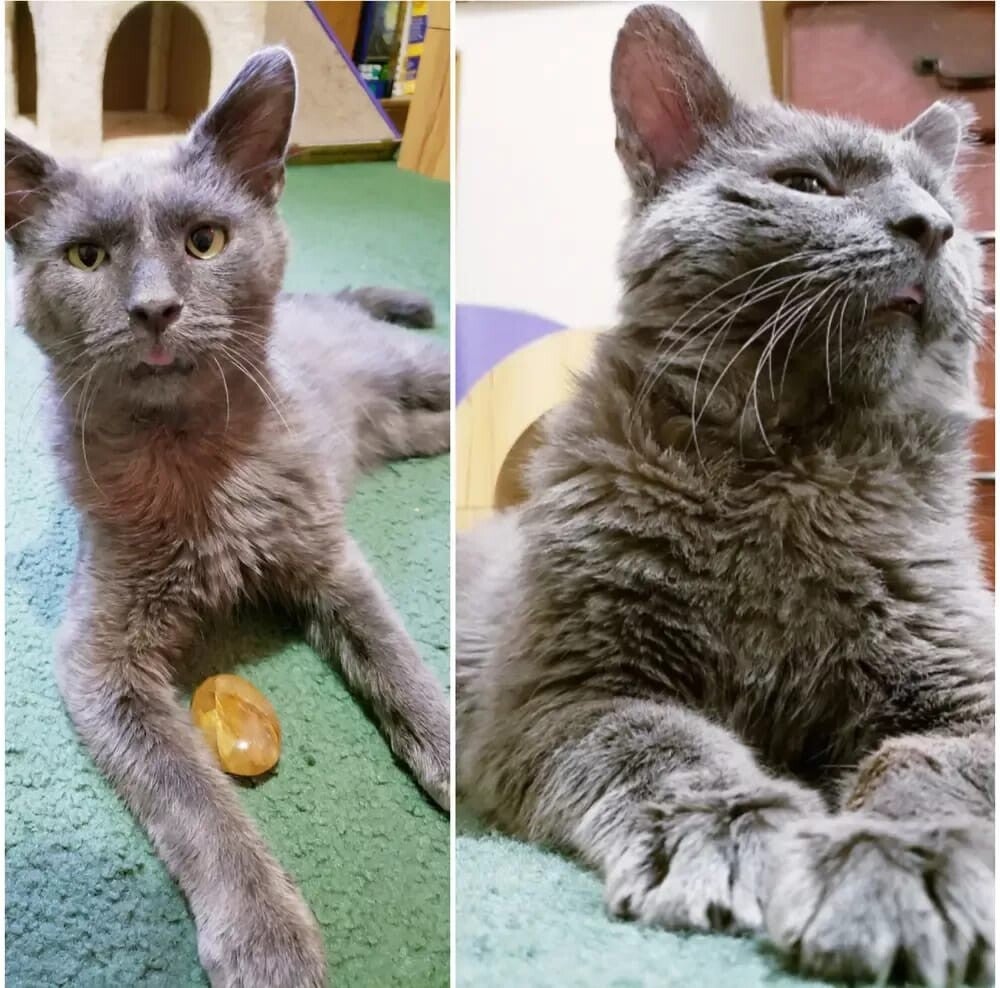
disease that suffers. If they have a disease and they are allowed to have babies because they were not sterilised, the babies then also suffer in many different ways. They can be born with the disease itself, die before birth, or they can be born with disabilities, malformations, or underdevelopment. In the case of one of the cats in our centre he was born with a condition called Ataxia due to a cerebellar hypoplasia. This is a problem with their balance, caused because a part of their brain called the cerebellum, a part of their brain that controls balance didn't develop properly when it was inside its mum because she was ill (believed to be with Panleukopenia). There are different levels of severity to this condition. But all will need life long special care and adaptations made in the home for them.
Panleukopenia
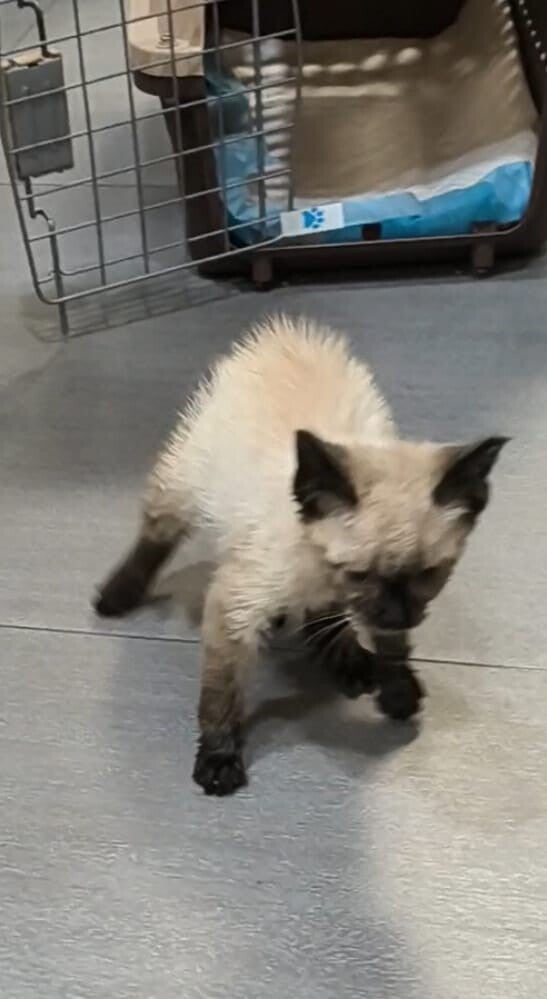
Panleukopenia is a horrific disease that cats can catch. It is the same as parvovirus in dogs. Though it is equally as common and deadly in cats it is much less known by owners. This disease is very rarely cured despite the vet's best effort. It takes between 2 and 7 days after first contact to become fully effective. It thins their blood, causes internal bleeding and because of this it destroys the internal organs of the cat very quickly and causes terrible suffering for them. It also kills off their white blood cells, weakening their immune system so they are unable to fight off any infections. The initial symptoms are fever, diarrhea, vomiting, dehydration and lethargy.
Panleukopenia is included in the first vaccinations of a cat (trivalent), along with calicivirus and rhinotracheitis.
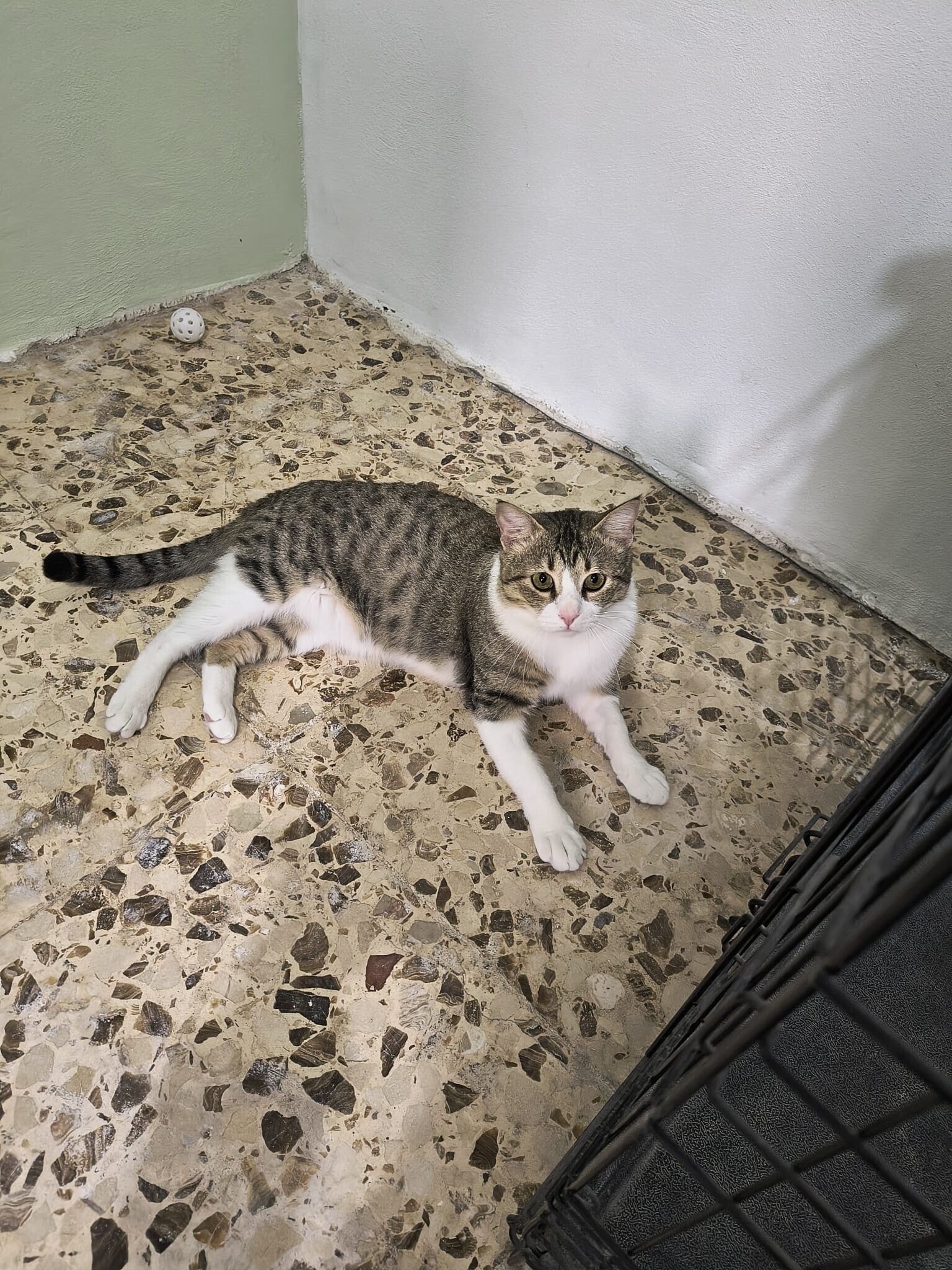
(To the right is Wobbles who suffers from cerebellar hypoplasia, presumably as a result of his mother contracting panleukopenia while pregnant)
Feline Leukemia Virus (FeLV)
Leukemia is a highly contagious virus in cats and you shouldn't keep healthy cats with a cat with leukaemia even if it seems healthy it will always be contagious. This disease causes anaemia, cancer (most frequently lymphoma), and it suppresses the immune system making it difficult to fight off other
infections they might catch like a simple cold. Lifelong medicine can help but they will always
catch other illnesses easily because of their lowered immune system. Those other infections will be much worse and harder to fight off in cats with leukemia.
Early symptoms are lethargy, decreased appetite, weight loss and poor coat. Some may have a
fever and behaviour changes.
Advanced symptoms are anaemia, pale gums, organ failure, mouth sores, vomiting, diarrhea and
skin abnormalities.
Feline leukemia virus can be vaccinated against. It can be given alongside their trivalent vaccination or at a later time.
Chlamydia (Chlamydophila Felis)
Chlamydia is a highly contagious, lifelong recurring illness for cats. They will always have flare-ups over their lifetime, but with antibiotics, usually eye drops, it can be controlled.
Chlamydia in cats affects the eyes and respiratory system. It is a bacteria that causes chronic conjunctivitis and respiratory issues.
It isn't much talked about or studied, but this is a disease that many street cats have because of how highly contagious it is.
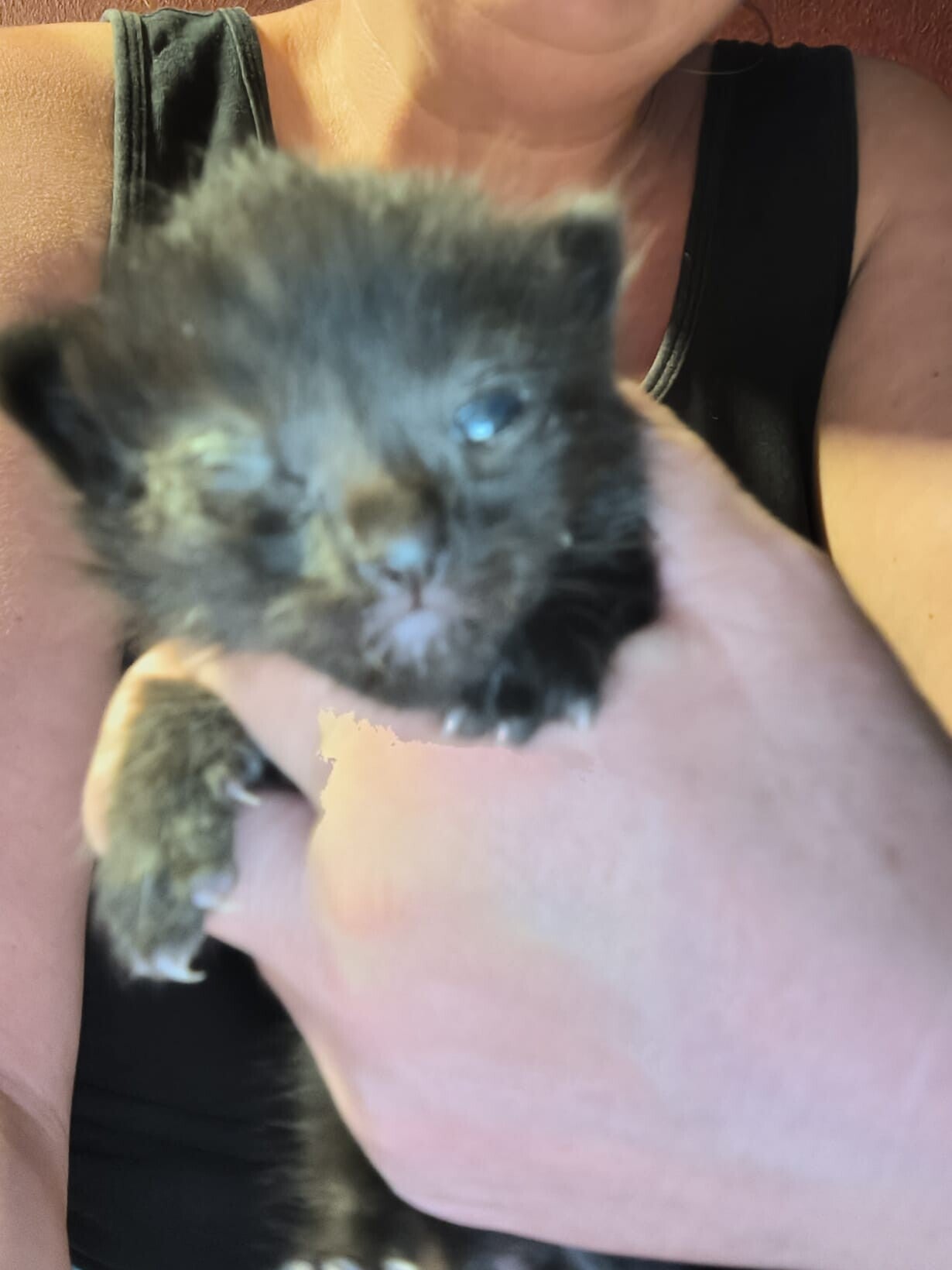
Main symptoms are redness, swelling and thick yellow/green discharge, often starting in one eye and moving to both, with discomfort (squinting). Mild sneezing, runny nose, and sometimes
fever or reduced appetite.
If it is left untreated they can have a third eyelid prolapse/visible and difficulty breathing. It can look like the eye is bulging out of its socket and in severe cases with prolonged lack of medical treatment the eye/s has/have to be removed.

Feline Calicivirus (FCV)
Calicivirus is a virus that affects the respiratory system and the mouth of cats. It is highly contagious through direct contact with infected cats or bowls, litter trays and bedding. Left untreated for a prolonged period can cause serious respiratory problems. As it is a virus that mutates (like the human flu) it can be contracted many times in a cats lifetime.
Symptoms can look like a cold, with sneezing, nasal congestion, fever and sometimes drooling.
Large amounts of discharge can come from the eyes and nose. Cats can also develop inflammation and ulcers on the tongue, and the lining of the mouth. Lethargy, mild lameness and lack of appetite can occur if left untreated.
Calicivirus is included in the first vaccinations in cats (trivalent), along with rhinotracheitis and panleukopenia.
Feline Viral Rhinotracheitis (FVR)
Rhinotracheitis is a highly contagious upper respiratory disease caused by Feline Herpesvirus
and is contracted through direct contact of saliva or nasal secretions. Once infected this will be a lifelong illness with periods of remission. Though it can never be cured, antibiotics can help with symptoms in flare ups.
Symptoms are sneezing, nasal discharge, conjunctivitis, and fever. It is also a major cause of
feline flu. Conjunctivitis, excessive tearing, squinting and sometimes corneal ulcers, fever, lethargy, poor appetite, and enlarged lymph nodes.
Increased saliva (drooling) due to mouth ulcers.
Rhinotracheitis is included in the first vaccinations of a cat (trivalent), along with calicivirus and panleukopenia.
Feline AIDS/ Feline Immunodeficiency Virus (FIV)
Feline AIDS is another terrible virus that affects the immune system in cats. There is no cure, and like other immune diseases in cats, it is a case of treating infections rather than the disease itself. Cats can live relatively good lives with AIDS as usually symptoms do not show for a number of years, but when they do start, the cats will often go downhill quickly.
Cats usually contract AIDS through fighting as it's transmitted through bodily fluids like saliva and blood.
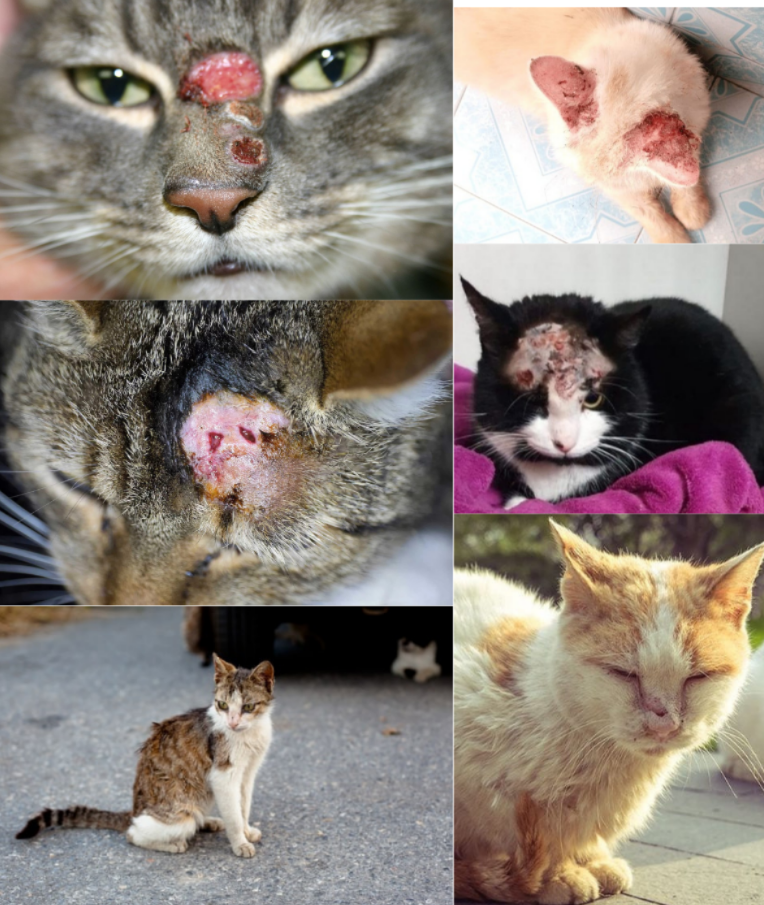
Symptoms are loss of appetite, weight loss, depression, dermatitis, mouth and gum disease, persistent diarrhoea, vomiting and anaemia, respiratory, urinary and skin infections, and nervous system problems.
FIV can be vaccinated against, however the number of strains and frequency of their changes make it less effective than other vaccinations. It does help defend the cats from the virus regardless.